World Cup 2026: FIFA puts mutual results above goal difference - group victory is already possible after two matches
FIFA is adjusting the tiebreakers for the 2026 World Cup: mutual results take precedence over goal difference. Group victory can therefore be assured after just two match days, as the example with Mexico in Group A shows.
FIFA has made a subtle but significant change to the way standings are determined in the group stages of the 2026 World Cup. For the first time at a World Cup, the head-to-head result is the primary tiebreaker when teams finish equal on points, and no longer goal difference.
Historically, the so-called 'goal ratio' was used until 1966 (goals for divided by goals against). From 1970 onwards, goal difference served as the dividing line — until now. With this adjustment, FIFA is in line with practice in Europe, where priority has long been given to the results between the teams in question. The reasoning: direct mutual performances give a fairer picture and neutralize exceptional results, while proponents of the goal difference argue that the overall picture of all group matches does the most justice to the proportions.
FIFA already tested the principle at the last World Cup for Clubs. There, Flamengo took first place in Group D after two games ahead of the later tournament winner Chelsea, thanks to the mutual result.
What does this mean specifically for the 2026 World Cup? The most important consequence is that teams can not only secure passage earlier, but can also ensure group victory after two match days. Under the old system, a leader had to be four points clear of the number two after two matches to be assured of first place. That scenario was rare. Now a three-point lead is sufficient, provided the head-to-head result is in favor of the leader.

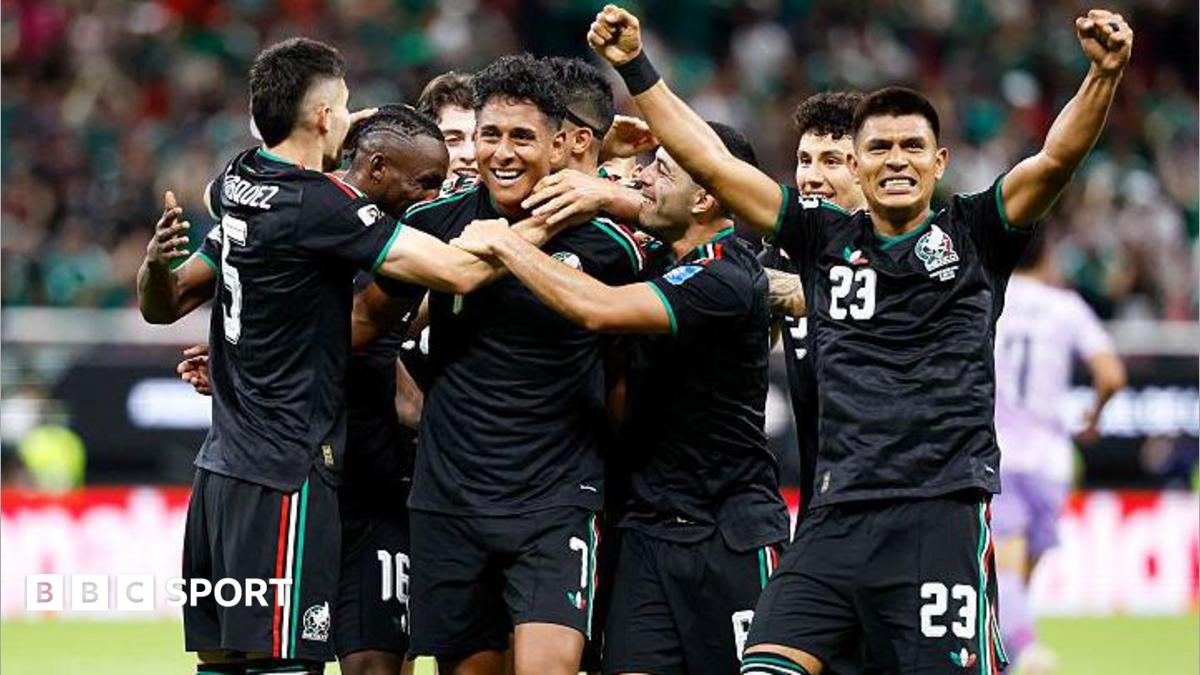
A current example comes from Group A. Mexico won the first two games and has six points, followed by South Korea on three and the Czech Republic and South Africa on one point. Because Mexico already defeated South Korea, the leader can no longer be overtaken if both countries finish on six points. This means that Mexico has won the group and knows that a third-placed opponent awaits in the round of 32 in Mexico City.
That also has a side effect: in the last group match against the Czech Republic, Mexico has little to gain from a sporting point of view and the selection can be spared. This could create an uneven situation from which the Czech Republic may benefit, although direct qualification is only feasible if South Korea loses to South Africa. However, in a tournament in which the best numbers three also advance, every detail can be decisive. This tiebreaker system also applies to the European Championship, where the best numbers three also convert further.
When can a group win be certain after two rounds? The conditions at a glance: - The leader wins both duels; and - Either the other two group matches end in a draw; or - The leader has already defeated the team(s) by three points, so the mutual result is decisive.
In short: with mutual results as the first tiebreaker, the strategic consideration in the group phase changes visibly — and that is something that every national coach, including that of the Dutch team, will take into account.
---
## Related Articles
1. [Queiroz Highlights Ghana's Expensive World Cup Victory](https://pitchpulsemedia.com/en/news/queiroz-highlights-ghanas-expensive-world-cup-victory) 2. [कनाडा ने कतर को 6-0 से हराकर FIFA विश्व कप में अपनी पहली जीत दर्ज की](https://maidaansports.com/hi/news/6-0-fifa)
Gerelateerde artikelen
Teams
Aguirre na Mexico–Zuid-Afrika: "Bij sommige spelers begonnen de benen te trillen"
Mexico won met 2-0 van Zuid-Afrika in de eerste WK-wedstrijd, maar bondscoach Javier Aguirre vond dat de uitslag hoger had moeten uitvallen en sprak over een nerveuze slotfase.
Teams
Messi begint WK 2026 met hattrick, Ronaldo stelt teleur: verschil tussen leider en baas
Lionel Messi opent het WK 2026 met een hattrick; Cristiano Ronaldo teleurstelt. De eerste speeldag benadrukt het verschil in manier van leiden binnen het team en lijkt het einde van hun jarenlange duopolie te markeren.
Teams
Rigaux bevestigt: Feyenoord dicht bij komst Charles Vanhoutte
Feyenoord is in vergevorderde onderhandelingen om Charles Vanhoutte (OGC Nice) voor ongeveer zes miljoen euro in te lijven, bevestigt technisch directeur Dévy Rigaux.
Teams
Ghana wint in ultieme blessuretijd; Panama blijft wachten op eerste WK-punt
Een late treffer van Caleb Yirenkyi bezorgt Ghana drie punten tegen Panama, dat daardoor nog altijd wacht op het eerste punt op een WK.